
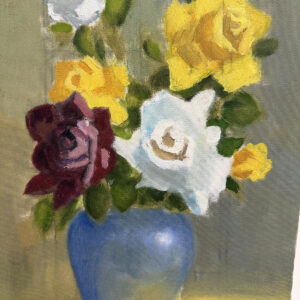
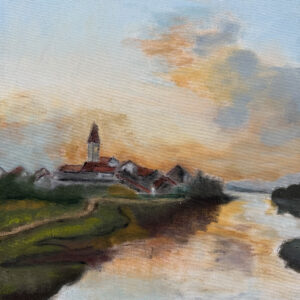
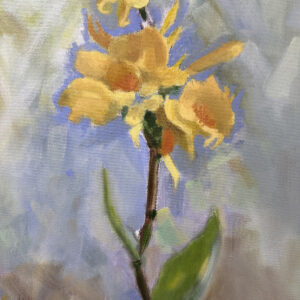
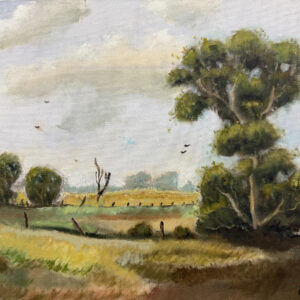
shaped by attentive observation, natural rhythm, and living form
observational organicism
Observational Organicism brings together drawings and paintings rooted in direct looking and embodied presence. Organic forms emerge through line, texture, and gesture, allowing structure and intuition to coexist. These works explore the human and natural body as evolving systems, where observation becomes a slow dialogue between seeing, sensing, and making.
Our Valued Customers
At lunaperegrino.com, our clientele comprises modern, depthful, vibrant individuals who have an affinity for the lively profoundness found in human centered design. They identify with the spectrum of the language presented for its simplicity, vulnerability, intensity, and unique timelessness. Simultaneously, they appreciate pieces that make a statement and add to their identity with honest organic frontality.
5% DONATED TO LGBTQIA+ CAUSES, AND MORE:
5% of the value of your purchase are donated to the following organisations detailed below:
• Aconchego House (Portugal)
• Amazon Frontlines (Brazil)
• ACTO – The Amazon Cooperation Treaty Organization (South America)
For more information about social-humanitarian contribution efforts feel free to reach out throuth the ink below. Thank you for your purchase, and for your support.
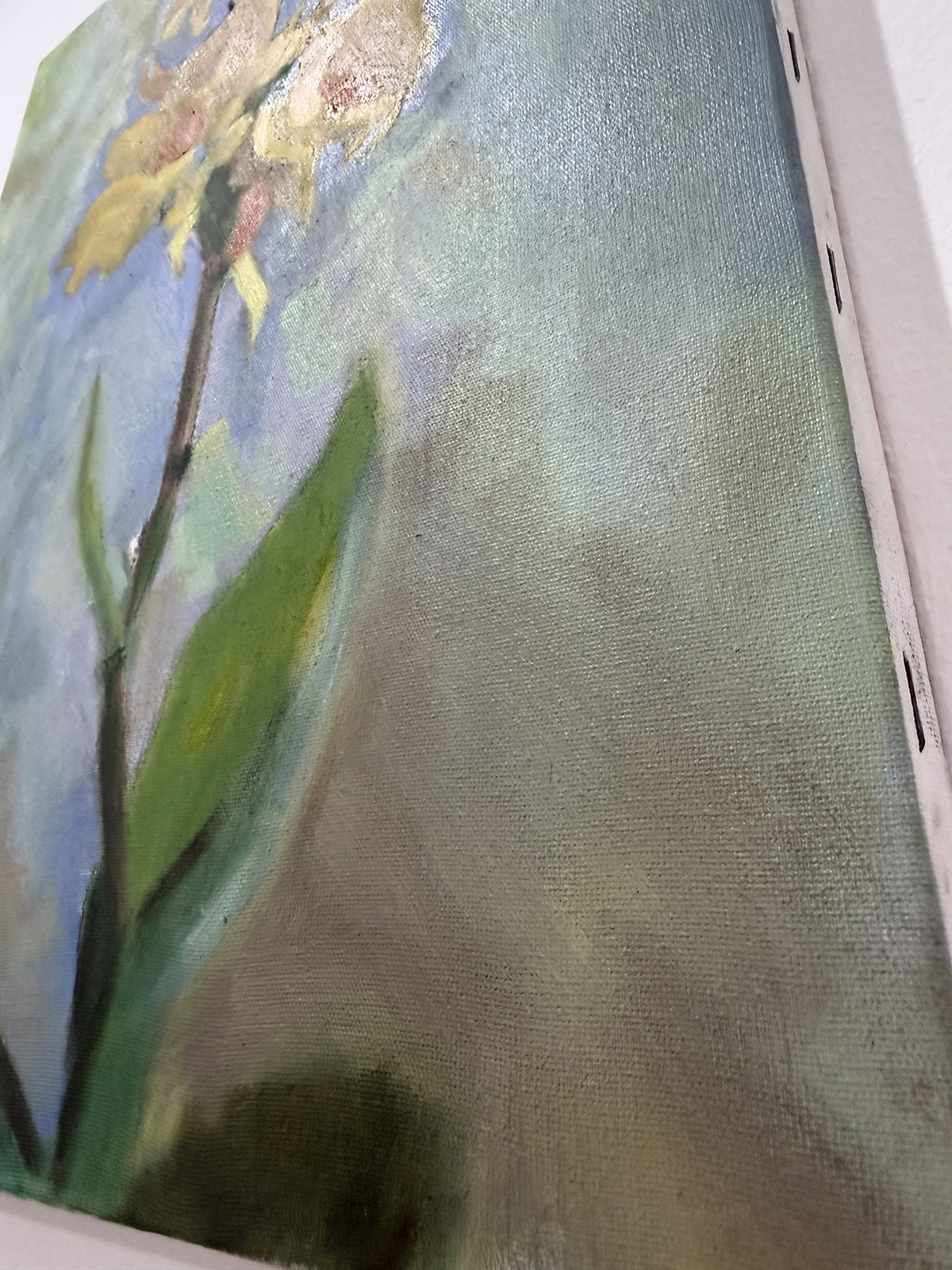
organic abstraction rooted in presence, process, and living systems
Observation here is not purely analytical. It is bodily, emotional, and temporal. Each drawing or painting becomes a record of presence, where gesture carries memory, and where imperfections are preserved as part of the form’s truth. Erasure, interruption, and variation are embraced as essential elements of the process, reflecting the unstable and living nature of what is being observed.
Observational Organicism proposes drawing and painting as acts of listening. The artist responds to what unfolds in front of them, whether a body, a fragment of nature, or an internal rhythm triggered by external form. Meaning arises through this dialogue, where control gives way to attention, and where form is allowed to breathe.
As a series, these works appeal to those drawn to organic abstraction, process driven practices, and art that values presence over polish. Each piece stands as an exploration of how life moves through line and matter, inviting the viewer into a slower, more attentive way of seeing.
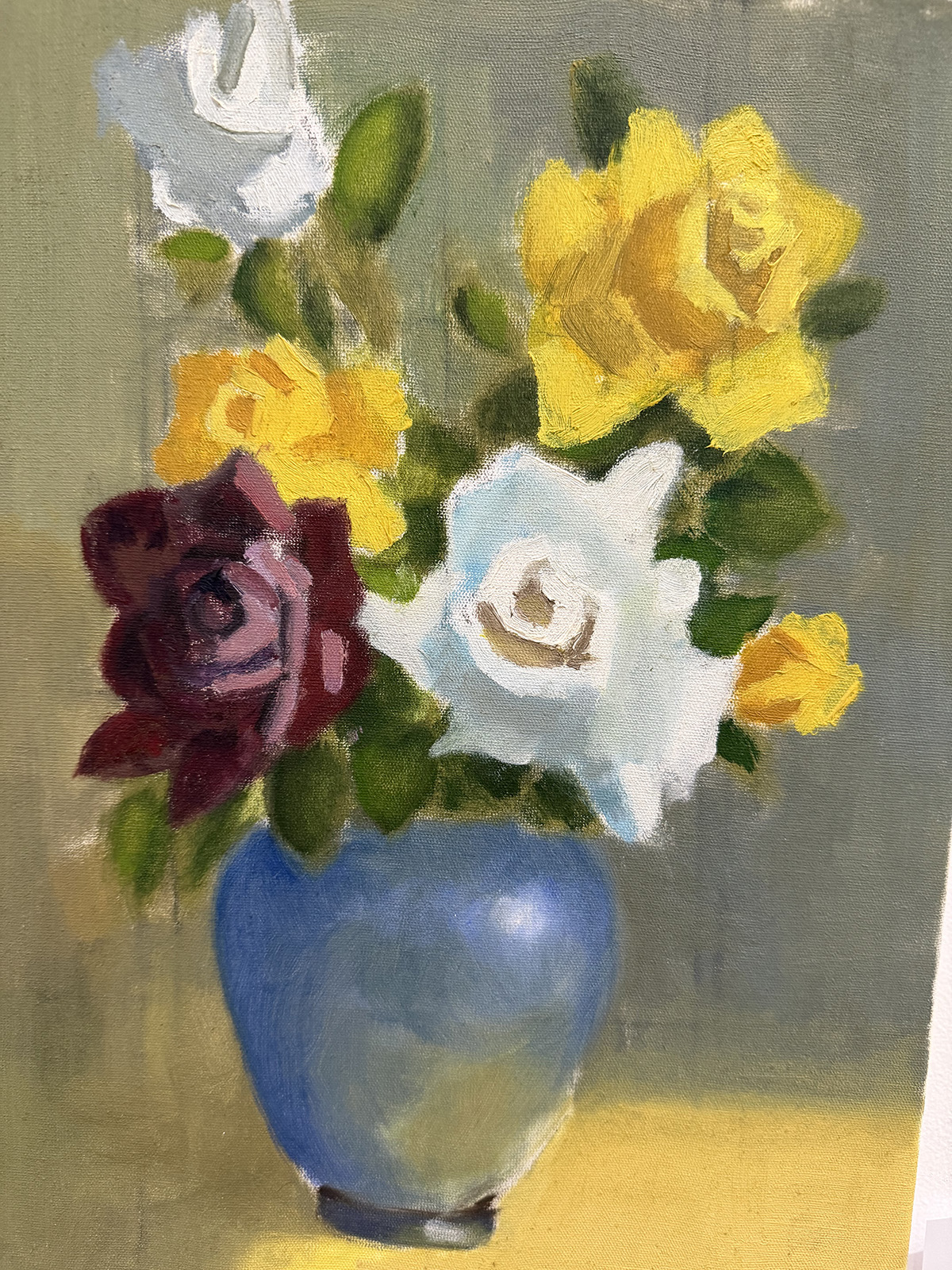
a dialogue between form, gesture, and time
Observational Organicism is a body of drawings and paintings rooted in sustained observation and an intuitive response to living form. These works emerge from the act of looking slowly and attentively, allowing structure, rhythm, and irregularity to reveal themselves through time rather than through control. form is not imposed, it is discovered.
Working across charcoal, pastel, and paint, this practice engages with organic systems, human, vegetal, anatomical, and abstracted, as evolving entities. Lines respond to tension and release, surfaces accumulate through touch and repetition, and compositions remain open to transformation. The resulting images often sit between representation and abstraction, holding a sense of familiarity while resisting fixed definition.
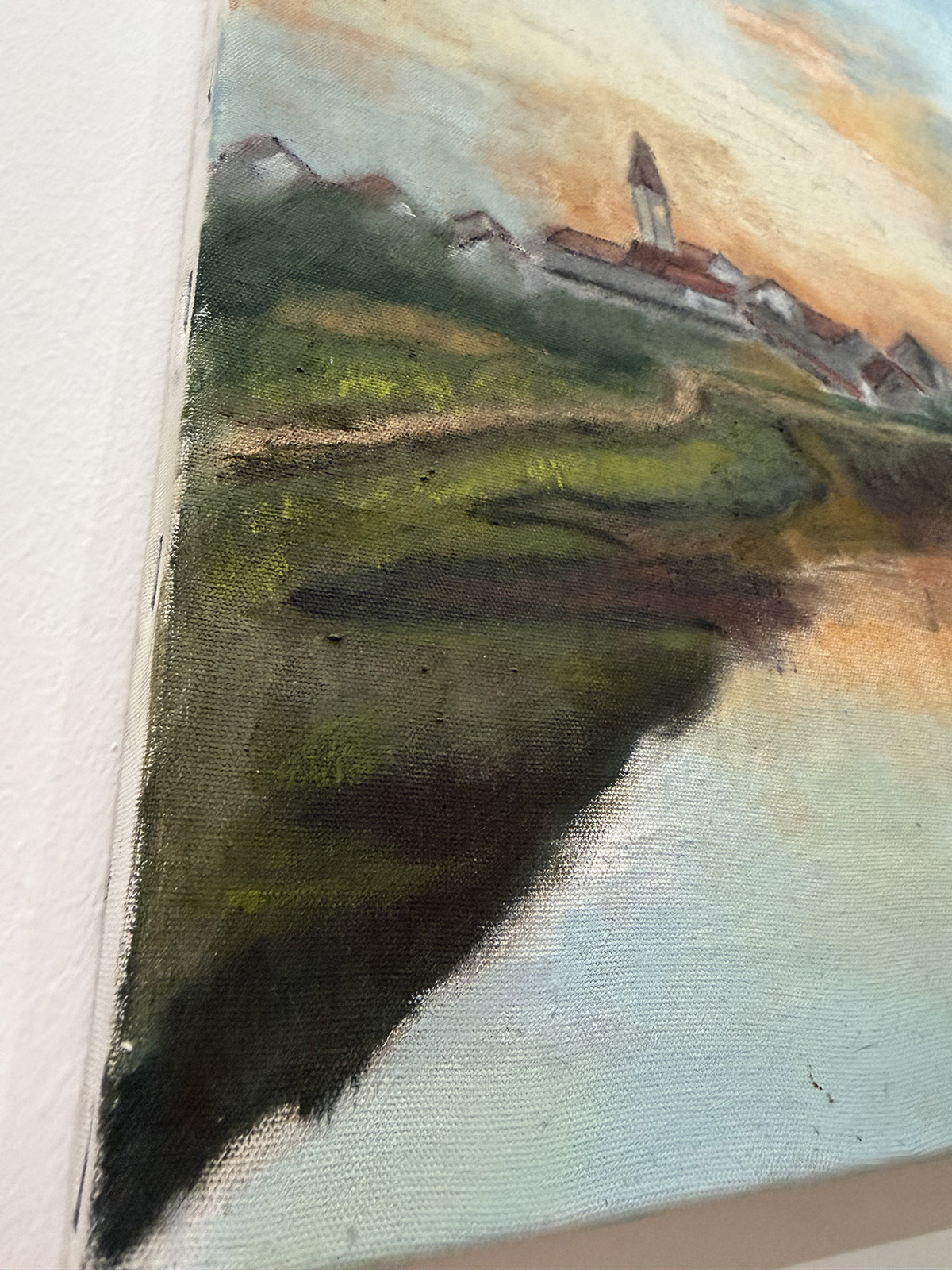
Medium of Choice
Luna Peregrino speaks through materials, through charcoal, organic fragments, and the detritus of time. Charcoal allows her to draw with both weight and ephemeral whisper: dark tangents that swallow light yet reveal form. It is both bold and fragile, a medium that holds the smudge of memory, the trace of gesture, the residue of breath.
Alongside charcoal, she deploys collage of natural and reclaimed elements: dried leaves, earth, old paper, burnt cardboard, stained canvas, roots, and other organic matter. These materials are not mere adornments, they are voices, history, and collapse made physical. A leaf fallen in autumn, the soil of a garden, a charred sliver of cardboard, they all carry memory, place, decay, and renewal. When woven into her work, they become witnesses to identity, to lineage, to the land and body that shape us.
The collision of charcoal’s stark intensity with collage’s textured complexity yields a visual dialect: one part drawing, one part relic. In every piece, material is narrative. The cracks, the fibrous veins of a leaf, the stained edge of paper, and the lines taking shape within them, they all play a role in speaking what cannot be said in words.
Art Expression of Choice
Luna’s art refuses to hide. It is scaled, grand, immersive. Her preferred canvases, carpets, sheets of paper, and collages are large, so large that they demand presence. These works inhabit space, turning walls into stages for the lives she depicts.
Each piece is often framed with care: wood, stainless steel, or metal, with or without glass, depending on the work’s relationship to light, shadow, and transparency. The solidity of frame (wood or metal) anchors the work to the tangible world, while glass can amplify the fragility, the echoes of layers, and the depth of materials. Framing is not merely a finishing touch, it is part of the work’s architecture, its interface with the viewer.
In their scale and presentation, these works are anchored in both public and intimate realms. They can dominate a gallery wall or quietly dwell in a more personal space, but always they demand you come close, linger, enter their textures, read their surfaces.
The Artist’s Process
Luna works in two distinct modes, each essential to her vision: medium-term execution and immediate execution.
Medium-term execution
Some works begin as slow gestation. She collects elements, such as leaves, soil, scraps of paper, found textiles, rooted in the conceptual frame of the piece: its narrative, its theme, its identity. This gathering may take days, weeks, places. Only after she feels she has the right pieces does she begin to compose in large scale, collaging, drawing, layering. Once assembled, the piece may rest, lie fallow, aging in the studio, shifting subtly under its own weight, until the moment feels right to finalize: to seal, to fix, to mark. The waiting is part of the work—a kind of listening, space for intuition and resonance.
Immediate execution
Other works unfold more spontaneously. Luna may draw or paint a subject live, responding to moment, emotion, subject. In these cases the work is more performative: folds of charcoal, gestures of brush, spontaneous addition of found elements. Sometimes she allows the piece to extend for days, responding, intervening, letting material suggest new paths. These works carry the energy of immediacy, of presence, of risk.
Both modes feed one another: the deliberate patience of collage and the electric urgency of live drawing. Together they map the artist’s internal landscape and external commitments, to memory, identity, narrative.
The Conceptual Thread / Narrative Framework
At the core of Luna’s œuvre is a family of series, interwoven, interdependent, dialoguing. Though each series may emphasize a particular theme or medium, they belong to a larger, ongoing narrative: the story of LGBTQIA+ lives, of identity, of becoming.
Even commissioned pieces do not stand alone. Each new portrait, collage, or drawing is a chapter in a continuum. They echo, respond, reflect across time and space. Recurring motifs, the same leaf, a certain weave of charcoal lines, a patched fragment, resonate between works, creating silent bridges. The viewer who has seen one work may sense its kin in another, perceive the lineage, the conversation.
In Luna’s vision, identity is never static. It is layered, branching, repeating. Her concept is not to tell isolated biographies but to weave a mosaic of experiences and voices, where each artwork amplifies and recontextualizes the others. Through this interlaced structure, she dismantles binary narratives and reclaims complexity, multiplicity, and the fluid continuum of lives lived in flux.
The Value (Artistic, Emotional, Unique)
What gives Luna’s work its profound value is not just technique or concept, but the intertwined narrative, the authenticity, the presence of intimacy on a grand scale.
Every piece is unique, but even more: it is exquisite, a delicacy of gesture and material, a tension between fragility and monument. The organic fragments, the layered surfaces, the drawn lines, they carry scars, memory, presence. They are not manufactured or generic; they are singular.
But beyond singularity lies continuity: the way each work resonates with others, how motifs repeat, echoes migrate, themes evolve. The viewer doesn’t just own or see a piece; they enter a narrative network. The emotional weight of knowing that nine works, or thirty, or a hundred belong to a shared story magnifies their meaning.
In a world saturated with images, Luna’s art stands apart because it is lived, rooted, persisting. Its worth is ethical as much as aesthetic: it asserts the dignity, visibility, and complexity of queer lives. Purchasing or exhibiting these works is an act of bearing witness to that ongoing story.